

Whole-Building Air Purification
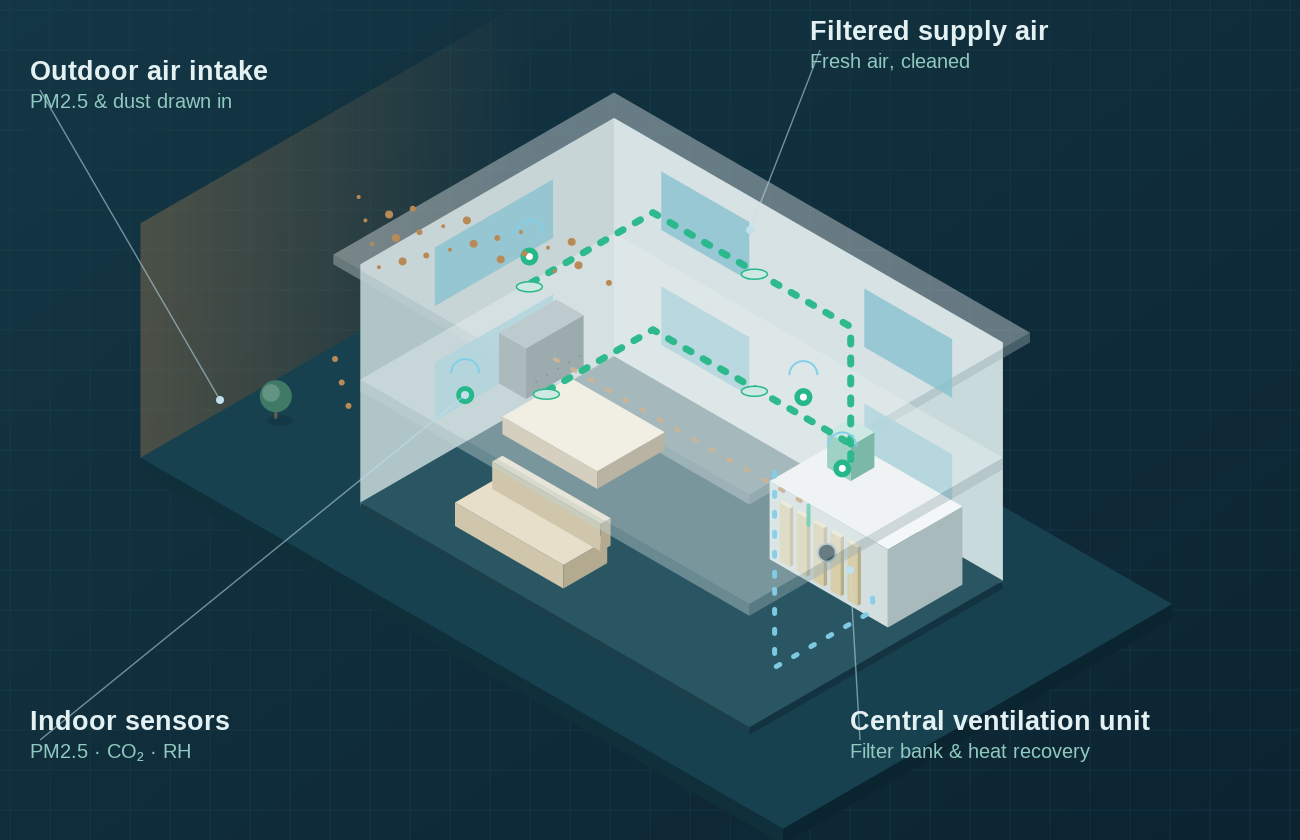
Centralised filtration solutions designed to reduce airborne particulate matter and distribute filtered air throughout selected areas of a building.
JOULE AIR
Air is one of the most important elements of any indoor environment, yet it is often one of the least considered during building design.
In cities affected by dust, traffic emissions and seasonal smog, maintaining better indoor air quality requires more than conventional cooling.
JOULE develops integrated ventilation, air filtration and monitoring solutions designed to help buildings respond intelligently to their surrounding environment.
Seven ways JOULE helps buildings breathe better.
Centralised filtration solutions designed to reduce airborne particulate matter and distribute filtered air throughout selected areas of a building.
Controlled introduction of appropriately filtered outdoor air, helping manage stuffiness and indoor pollutants associated with inadequate ventilation.
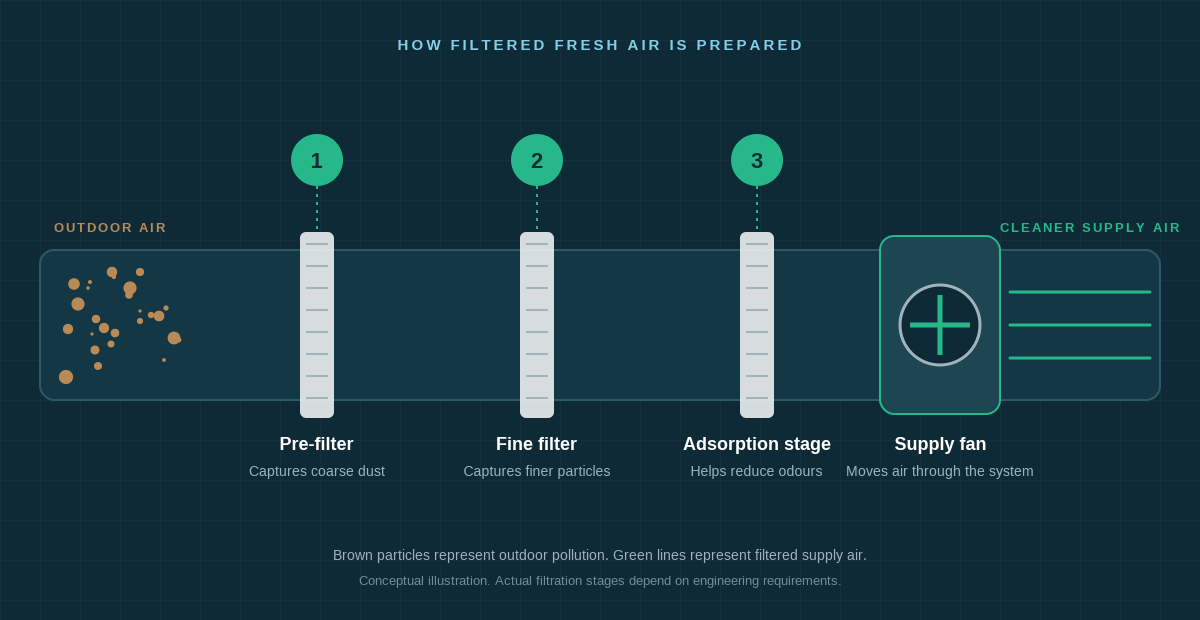
Multi-stage filtration systems selected according to pollutant type, airflow requirements, filter resistance and maintenance considerations.
Ventilation technologies designed to recover useful energy from outgoing air, helping reduce the energy impact of introducing fresh outdoor air where conditions permit.
Monitoring solutions for environmental parameters such as PM2.5, carbon dioxide, temperature and relative humidity, depending on selected equipment.
Engineered airflow and pressure relationships designed around the requirements of the building and its individual spaces.
Practical assessments and air quality improvements for existing homes, offices and educational facilities.
Our proposed signature whole-building air management solution brings ventilation, filtration and intelligent monitoring together in one integrated engineering concept.
Designed around Pakistan’s environmental challenges, Air360 represents a more comprehensive approach to the air inside our buildings.
UNDERSTANDING INDOOR AIR QUALITY
Simple, practical indicators that JOULE can help monitor and manage in your building.
Fine airborne particles associated with smoke, combustion and urban pollution.
Airborne particulate matter that includes larger dust and pollen particles.
A useful indicator of occupancy-related ventilation adequacy when interpreted in context.
The moisture level in the air, which influences comfort and indoor environmental conditions.

FAQ
Air conditioning primarily manages temperature and may also affect humidity. Air purification focuses on removing selected airborne contaminants. A properly designed building system can integrate both functions alongside fresh air ventilation.
Appropriately designed filtration, ventilation and building airflow management can help reduce indoor exposure to airborne particulate pollution. The performance depends on system design, building leakage, filter selection and maintenance.
In many cases, existing systems can be assessed for potential upgrades. Compatibility depends on available space, airflow capacity, fan performance, ductwork and filtration requirements.
Replacement intervals depend on the filter type, operating hours, outdoor pollution, airflow resistance and manufacturer recommendations. Lahore’s smog season may increase maintenance requirements.
Take the first step towards a better indoor environment.