
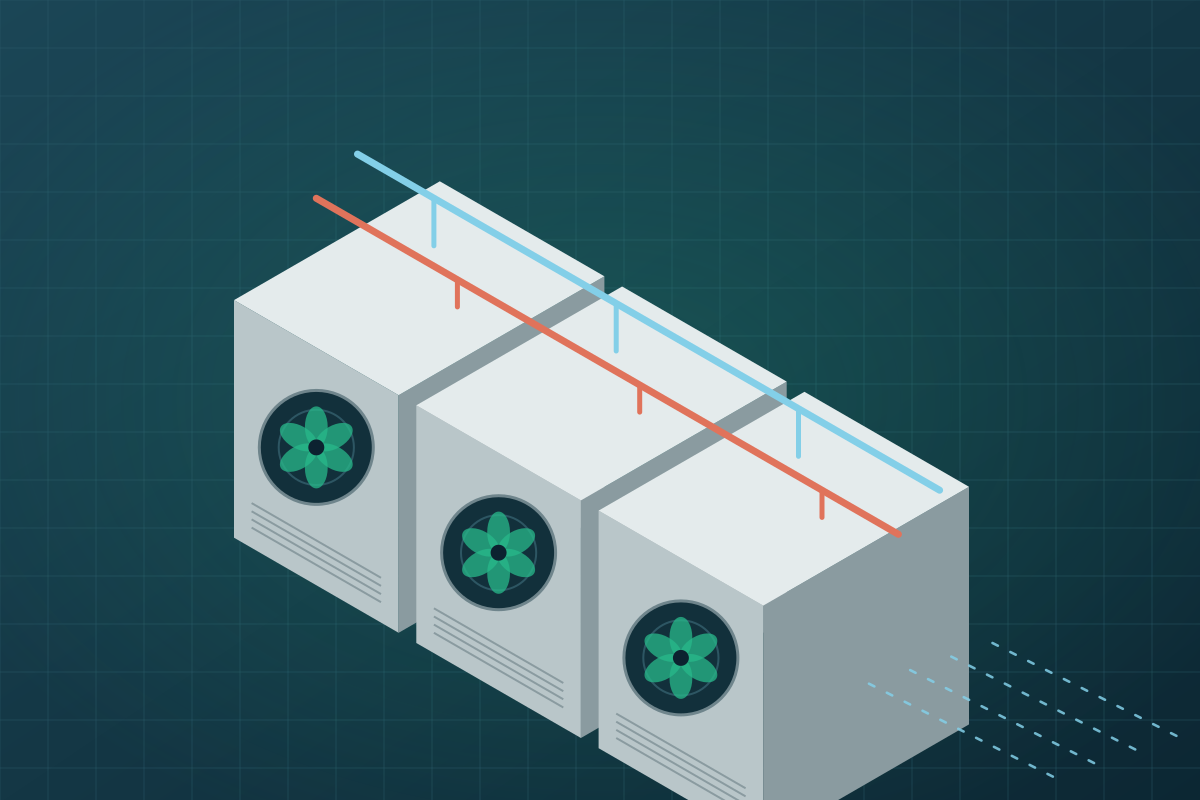
Central Air Conditioning
Coordinated cooling systems designed to deliver consistent comfort throughout residential and commercial buildings, with careful consideration of air distribution, noise levels and architectural integration.
JOULE CLIMATE
Year-round comfort. Designed around efficiency.
JOULE develops heating and cooling systems that balance thermal comfort, energy efficiency, installation costs and long-term operational requirements.
From private residences to commercial developments, our approach begins with understanding the building and its occupants before selecting the most appropriate technology.
Six coordinated technologies, selected and combined to suit your building.
Coordinated cooling systems designed to deliver consistent comfort throughout residential and commercial buildings, with careful consideration of air distribution, noise levels and architectural integration.
Flexible heating and cooling solutions capable of adjusting their output to changing building demands and individual zone requirements.
Efficient heating and cooling technologies evaluated against local climate conditions, electricity costs and project requirements.
Discreet heating solutions designed to provide comfortable, evenly distributed warmth, particularly for residential and premium architectural projects.
Centralised cooling infrastructure for larger buildings with complex or substantial cooling requirements.
Independent temperature management for different areas of a building, helping match energy consumption with actual occupancy and comfort needs.
Our engineering assessment considers building orientation, insulation, glazing, occupancy, heat loads, operating schedules and available energy infrastructure.
We evaluate these factors together to recommend a system suited to your building rather than simply selecting equipment by capacity.

DESIGN CONSIDERATIONS
A well-engineered climate system feels invisible: even temperatures, quiet operation, clean air distribution and controls that simply make sense.
Duct sizing, diffuser selection and return-air paths are designed together to avoid draughts, hot spots and stuffy corners.
Equipment placement, air velocities and vibration isolation are planned so systems stay quiet in bedrooms, offices and classrooms.
Concealed plant, ceiling voids and discreet grilles protect the design intent of premium residential and commercial spaces.
FAQ
Not necessarily. Efficiency depends on building characteristics, system technology, occupancy, zoning, duct losses and operating patterns. JOULE evaluates these factors before recommending a solution.
HVAC and electrical infrastructure can be evaluated together to explore how solar generation, equipment demand, operating schedules and energy storage may be coordinated.
Potential savings are project-specific. An engineering assessment is necessary to establish a suitable baseline, compare system alternatives and estimate lifecycle costs.
Air conditioning primarily manages temperature and may also affect humidity. Air purification focuses on removing selected airborne contaminants. A properly designed building system can integrate both functions alongside fresh air ventilation.
Discover a smarter approach to heating and cooling.